close
Choose Your Site
Global
Social Media

Views: 0 Author: Site Editor Publish Time: 2025-06-13 Origin: Site


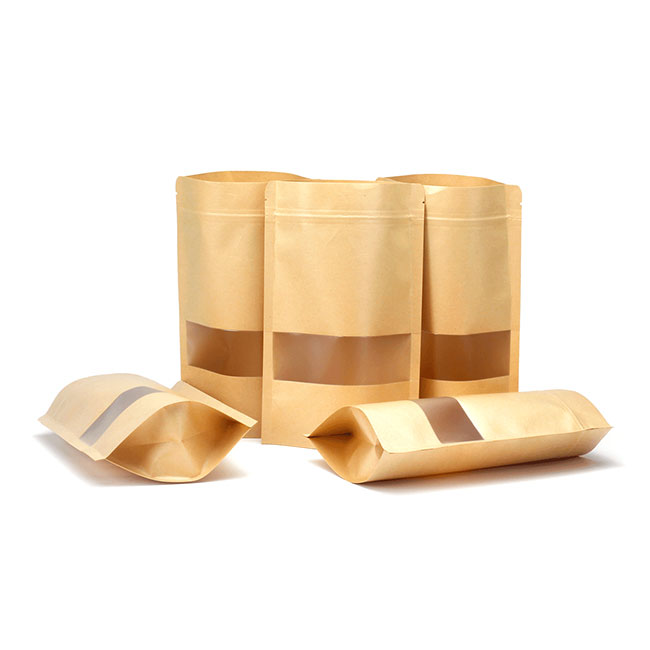
Custom stand-up pouches have revolutionized the packaging industry by offering a versatile and efficient solution for a wide range of products. From food items to personal care products, these pouches provide excellent protection and branding opportunities. Understanding the materials used in their construction is crucial for manufacturers and consumers alike, as it impacts the pouch's functionality, sustainability, and aesthetic appeal.
The rise of custom flexible packaging has been driven by the need for cost-effective and environmentally friendly packaging solutions. Manufacturers are continually exploring new materials and technologies to meet these demands while maintaining product integrity. This article delves into the various materials used in custom stand-up pouches, examining their properties, advantages, and applications in different industries.
Custom stand-up pouches are typically made from a combination of materials, each selected for specific properties such as strength, barrier protection, and printability. The most common materials used include plastics like polyethylene (PE) and polypropylene (PP), aluminum foil, and biodegradable options like polylactic acid (PLA).
Polyethylene is one of the most widely used plastics in packaging due to its flexibility, durability, and resistance to moisture. It comes in various densities:
Low-Density Polyethylene (LDPE): Offers high flexibility and clarity, ideal for products needing a soft feel.
High-Density Polyethylene (HDPE): Provides greater strength and chemical resistance, suitable for heavier products.
PE is often used as the sealing layer in multilayer laminated structures, ensuring airtight closures that preserve product freshness.
Polypropylene is known for its rigidity and higher melting point compared to PE. It offers excellent clarity and is resistant to chemicals and oils, making it suitable for packaging snack foods, chips, and other oily products. Biaxially Oriented Polypropylene (BOPP) films are commonly used in stand-up pouches for their superior strength and barrier properties.
Aluminum foil is prized for its outstanding barrier properties against light, oxygen, and moisture. It's often incorporated into pouches for products that require maximum protection, such as coffee, spices, and pharmaceuticals. The foil layer ensures extended shelf life and preserves the product's flavor and potency.
Metallized films are plastic films coated with a thin layer of metal, usually aluminum. They provide similar barrier properties to aluminum foil but at a reduced cost and weight. Metallized films offer a shiny appearance, enhancing the pouch's aesthetic appeal for marketing purposes.
Environmental concerns have led to the development of biodegradable materials like polylactic acid (PLA), derived from renewable resources such as corn starch. These materials decompose under composting conditions, reducing environmental impact. While still gaining traction, biodegradable materials are increasingly used for custom stand-up pouch for food products, catering to eco-conscious consumers.
Stand-up pouches are often constructed using multilayer laminates, combining different materials to achieve desired properties. The layers are bonded together using adhesives or extrusion lamination processes. A typical structure might include:
Outer Layer: Provides printability and aesthetic appeal, often made of PET or BOPP.
Barrier Layer: Offers protection against moisture, oxygen, and light, using materials like aluminum foil or metallized films.
Sealing Layer: Ensures the pouch can be heat-sealed, typically using PE.
The combination of layers allows for customization based on the product's specific needs, balancing cost, functionality, and appearance.
Choosing the right material for a custom stand-up pouch involves considering several factors:
The nature of the product—whether it's dry, liquid, oily, or sensitive to light—dictates the required barrier properties. For instance, oily snacks may require materials resistant to grease, while organic products might prioritize biodegradable materials.
Products with longer shelf life demands, such as coffee or pharmaceuticals, need materials that provide robust barriers against oxygen and moisture. Aluminum foil laminates are often preferred in these cases.
The packaging is a vital component of marketing. Materials that offer high-quality printing surfaces, like PET or BOPP, enable vibrant graphics and designs, enhancing shelf appeal. Transparent windows can be incorporated to showcase the product inside.
Sustainability is increasingly important. Brands may opt for recyclable materials or biodegradable options to reduce environmental impact. This choice can influence consumer perceptions and align with corporate social responsibility goals.
Custom stand-up pouches are utilized across multiple industries, each with specific material requirements.
In the food sector, stand-up pouches are used for snacks, dried fruits, grains, and more. Materials must comply with food safety standards, providing barriers against contaminants while keeping the contents fresh. Options like metallized films or aluminum foil laminates are common.
For liquid products, materials need to be leak-proof and strong. Multi-layer laminates with high-strength plastics and barriers are essential. The incorporation of spouts and handles adds complexity to the material requirements.
Packaging for personal care items like shampoos and lotions requires materials resistant to chemicals and oils. The pouches must maintain integrity without reacting with the contents. PET and specialized barrier films are often used.
The packaging industry is continuously evolving, with innovations focused on improving functionality and sustainability.
Developing pouches from a single type of plastic enhances recyclability. Innovations in material science are enabling mono-material laminates that do not compromise on barrier properties.
Integration of technologies like QR codes and NFC chips into packaging materials allows for enhanced consumer engagement and supply chain tracking. These additions require materials compatible with electronic components.
Research into edible packaging films made from proteins and polysaccharides is gaining momentum. These materials could revolutionize the food packaging industry by eliminating waste.
Examining real-world applications provides insight into material selection and performance.
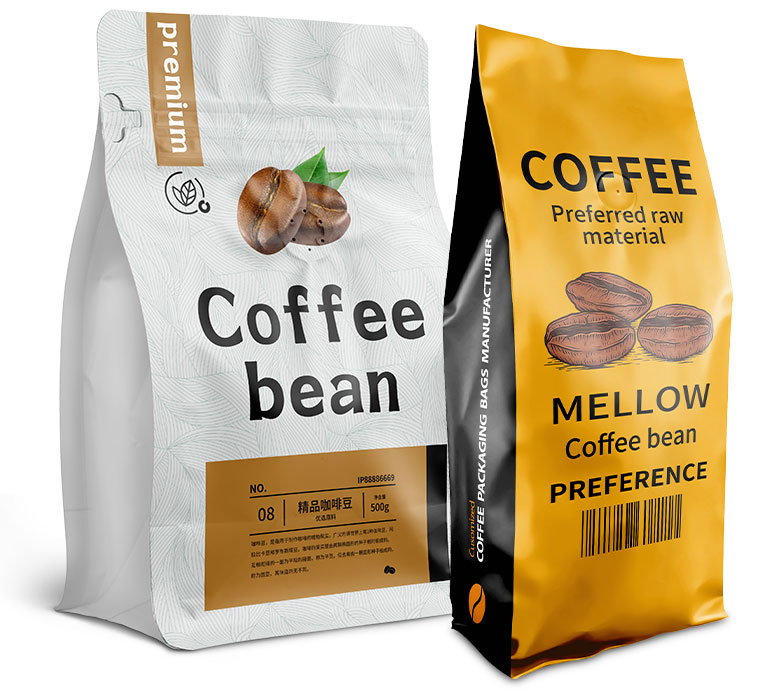
Coffee beans are sensitive to oxygen and light. A custom stand-up pouch with a multilayer structure including aluminum foil provides the necessary barrier. A one-way degassing valve is often incorporated to release built-up gases while preventing air ingress.
Brands focusing on organic and natural products may opt for biodegradable materials like PLA. While offering adequate protection, these materials align with the brand's environmental values and appeal to eco-conscious consumers.
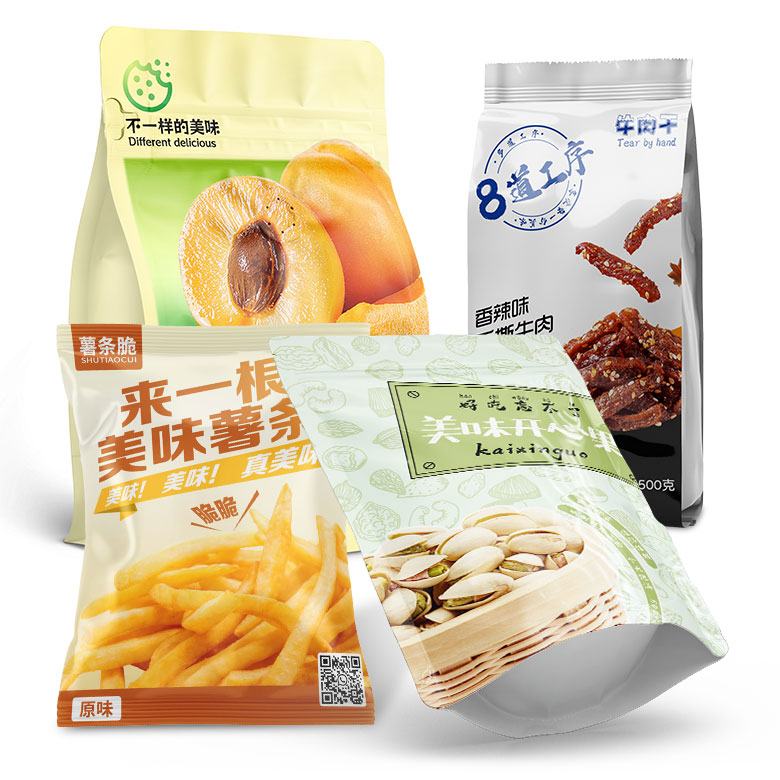
Materials used in packaging must comply with regulatory standards to ensure consumer safety. This includes adherence to FDA regulations in the United States or EFSA standards in Europe. Manufacturers must ensure that materials do not leach harmful substances into the product.
The environmental impact of packaging materials is a growing concern. Traditional plastics contribute to pollution and landfill waste. The industry is addressing these issues through:
Recyclable Materials: Developing packaging that can be easily recycled within existing systems.
Source Reduction: Utilizing lighter-weight materials to reduce resource consumption.
Renewable Resources: Incorporating bio-based plastics derived from plant materials.
Consumers increasingly favor brands that demonstrate environmental responsibility, influencing material choices in packaging.
The cost of materials is a significant factor for manufacturers. Balancing performance with affordability requires careful selection and design optimization. Bulk purchasing and advances in material technology can help reduce costs without compromising quality.
Custom stand-up pouches offer extensive opportunities for branding. High-quality print surfaces allow for intricate designs and vibrant colors. Materials that accept various printing techniques, such as rotogravure or digital printing, enable brands to create visually appealing packaging that stands out on shelves.
Materials must accommodate additional features that enhance functionality:
Zippers and Resealable Closures: Extend the product's freshness and convenience for the consumer.
Spouts: Used in liquid packaging for controlled dispensing.
Handles and Hang Holes: Improve portability and retail display options.
Windows: Incorporated using transparent materials to showcase the product.
Integrating these features requires materials that are compatible with various fabrication processes.
The production of custom stand-up pouches involves several steps:
Film Extrusion: Creating the base films from raw materials.
Lamination: Bonding multiple layers to form the composite material.
Printing: Applying graphics and text using appropriate printing methods.
Pouch Conversion: Cutting and sealing the laminated films into pouches.
Each step requires materials that perform reliably under industrial conditions, influencing material selection.
Custom stand-up pouches are a dynamic packaging solution, with materials playing a crucial role in their functionality and appeal. Understanding the properties of different materials enables manufacturers to tailor pouches to specific product needs, market trends, and environmental considerations. As innovation continues, we can expect further advancements in materials that offer improved performance, sustainability, and cost-effectiveness.
For businesses looking to enhance their packaging, exploring the diverse options in custom stand-up pouch materials is essential. By aligning material choice with product requirements and brand values, companies can achieve packaging that not only protects their products but also resonates with consumers.


